
Nigeria’s small businesses employ most of the country’s workforce and contribute significantly to economic activity. Yet access to bank loans has become increasingly difficult.
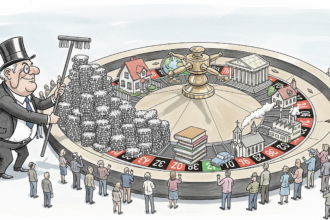
Over the past three decades, the share of bank credit going to small businesses has fallen sharply. From nearly 48% of total bank loans in the early 1990s to less than 10% in the 2000s, reaching a low of just 2% of total bank credit allocations in recent reporting. The banks focus more on government securities and large corporate borrowers, many entrepreneurs struggle to secure funding, creating an estimated ₦48 trillion financing gap.
For many business owners, the challenge is urgent. They need money to restock inventory, pay suppliers, or keep operations running. Rather than wait weeks for traditional bank approvals, many are turning to fintech lenders.
Lending Without Traditional Collateral
Commercial banks often require collateral such as landed property backed by a Certificate of Occupancy(C of O). Many small businesses, especially traders and digital entrepreneurs, do not have such assets.
Fintech lenders take a different approach. Instead of relying mainly on collateral, they assess a business’s transaction history, account activity, supplier payments, and sales records to determine creditworthiness. While traditional loan processing relies on physical verification and manual guarantor signatures, fintech platforms leverage national digital identity databases. Verification occurs instantly via Bank Verification Numbers (BVN) and National Identification Numbers (NIN), eliminating physical paperwork and branch visits entirely.
Faster Access to Funds
Traditional bank loans can involve lengthy paperwork and multiple approval stages. In fast-moving consumer goods (FMCG) and retail businesses, these delays often result in lost inventory opportunities. Fintech lenders automate much of the process. Borrowers can apply through mobile apps or POS terminals, receive a decision within minutes, and often access funds the same day.
Repayments That Match Business Activity
Commercial bank loans generally impose fixed monthly repayment schedules that fail to reflect the irregular revenue cycles of Nigerian micro-enterprises. Many fintech lenders also offer repayment structures designed around how small businesses earn money. Fintech lenders structure credit products to match actual cash movement:
These may include:
- Deductions linked to daily sales.
- Short-term inventory financing.
- Invoice financing for businesses waiting to receive payment from customers.
The Risks
The growth of digital lending has not been without challenges. Rising inflation and economic uncertainty have increased default risks, while some borrowers take loans from multiple platforms at the same time.
To manage these risks, fintech lenders are strengthening credit checks, using data from credit bureaus, and gradually increasing borrowing limits for customers who build a good repayment record.
Fintech lenders are filling a gap that traditional banks have largely left behind. By offering faster approvals, flexible repayment options, and less reliance on physical collateral, they are becoming an increasingly important source of funding for Nigeria’s small businesses.