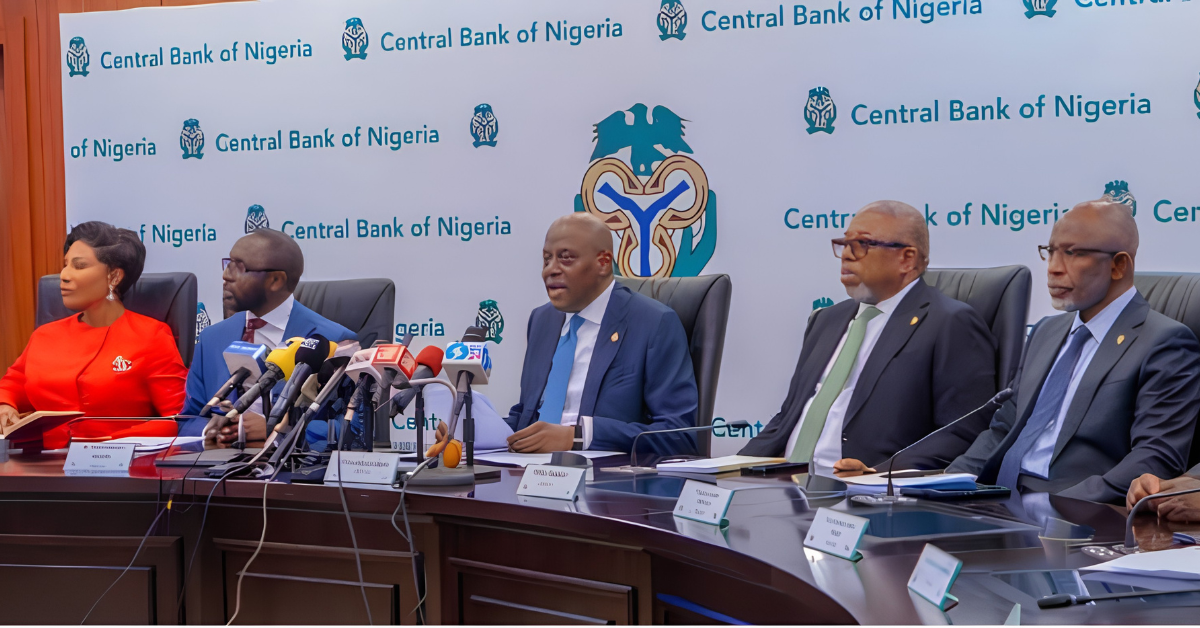
Every few months, top officials at the Central Bank of Nigeria (CBN) meet behind closed doors to decide on one critical number: the Monetary Policy Rate (MPR).
While the term sounds like economic jargon, this rate is essentially the base price of money in Nigeria. It sets the benchmark for how commercial banks charge you for loans and reward you for savings.
Right now, the MPR sits at 26.5%. The central bank held it there again in July, for the third meeting running. To tackle high inflation and steady the Naira, the CBN has kept this benchmark interest rate high. The goal is straightforward: make borrowing expensive to reduce the total cash flowing through the economy, which theoretically should slowly cool down rising prices.
Here is how that policy decision lands on your everyday finances.
- Loans and Mortgages Get Expensive. When the CBN charges commercial banks more to borrow, banks pass those costs straight to you. A ₦5 million personal or business loan that used to carry a 20% annual interest rate can quickly jump to 25% or 30%. For small business owners relying on bank credit to buy stock, higher interest rates shrink profits and stall hiring plans.
- Rent Demands Keep Rising. Property developers and landlords who built or bought real estate using bank loans face higher monthly repayments when rates stay elevated. To cover those rising debt costs, landlords across major urban centers frequently push rent prices up during lease renewals.
- Food Prices Remain High. Higher interest rates are designed to lower overall demand, but they cannot easily fix food inflation. Food prices in Nigeria are mostly driven by farm security issues, poor transportation networks, high fuel costs, and exchange rates. Until those core supply issues improve, market trips will stay costly despite high CBN rates.
- Savings and Fixed Deposits Pay More. The main advantage of a high rate environment goes to savers. Banks must offer higher interest yields on fixed deposit accounts and Treasury Bills to attract cash. If you have extra funds put away, current rates offer better payouts than usual.
Smart Financial Moves to Make Right Now
- Pay Down Debt Early: Prioritize clearing loans that do not have a fixed rate. Carrying debt when interest rates are high eats into your income fast.
- Lock In Your Rent: If your landlord is open to it, negotiate a longer lease term to lock in current rates before another increase.
- Shop for Better Yields: Move idle cash out of basic savings accounts and into high-yield fixed deposits or short-term Treasury Bills.
- Explore Non-Bank Capital: Business owners should consider supplier credit or equity partnerships instead of high-interest bank overdrafts.
While central bank decisions sound distant and technical. This one is particularly noteworthy, as it affects your rent, your loans, your savings, your food prices – essentially all of your expenses. You’ll need to work out whether you’re mostly a borrower, a saver, or a business owner. Then you can plan around it.